
Analysis of the Drivers Behind Tungsten Carbide’s Sustained Price Increase
Known as the “industrial tooth,” tungsten carbide serves as the core raw material for cemented carbide. It is widely used
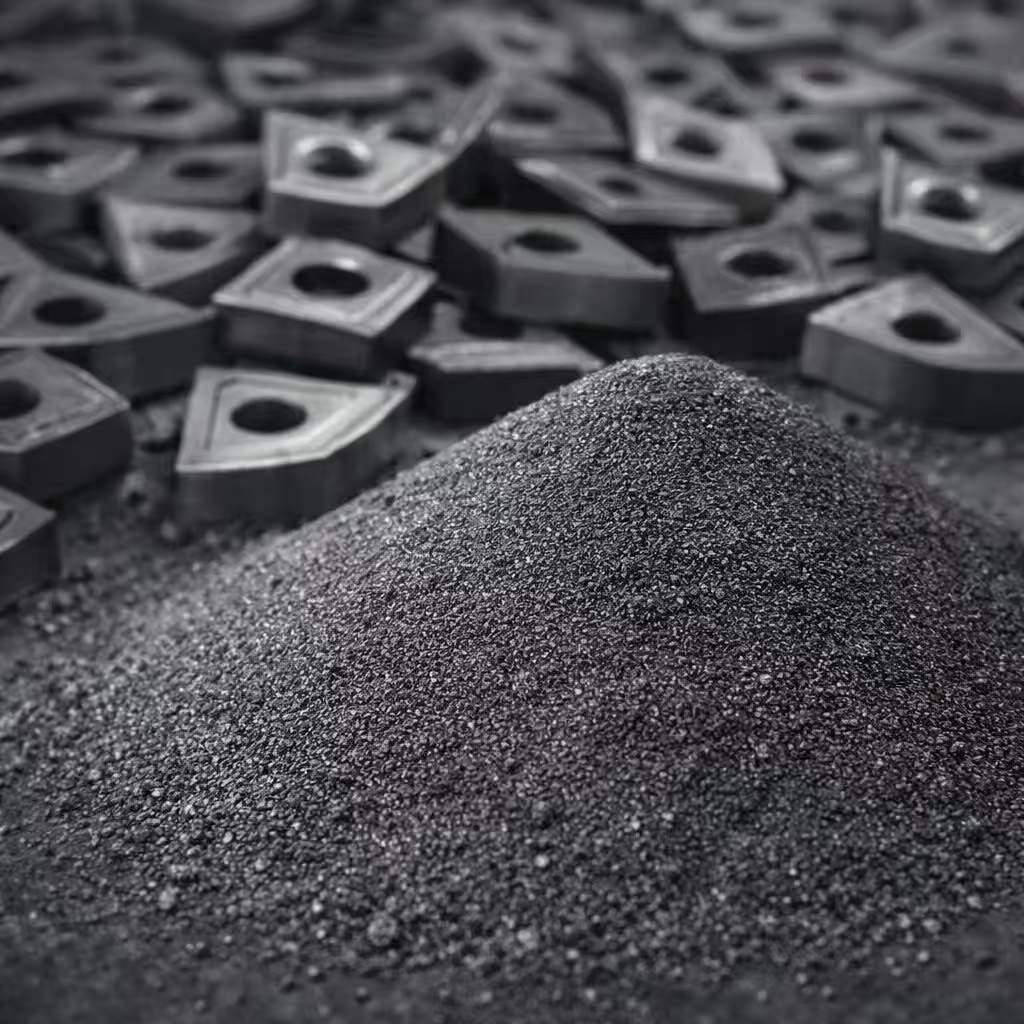
Known as the “industrial tooth,” tungsten carbide serves as the core raw material for cemented carbide. It is widely used
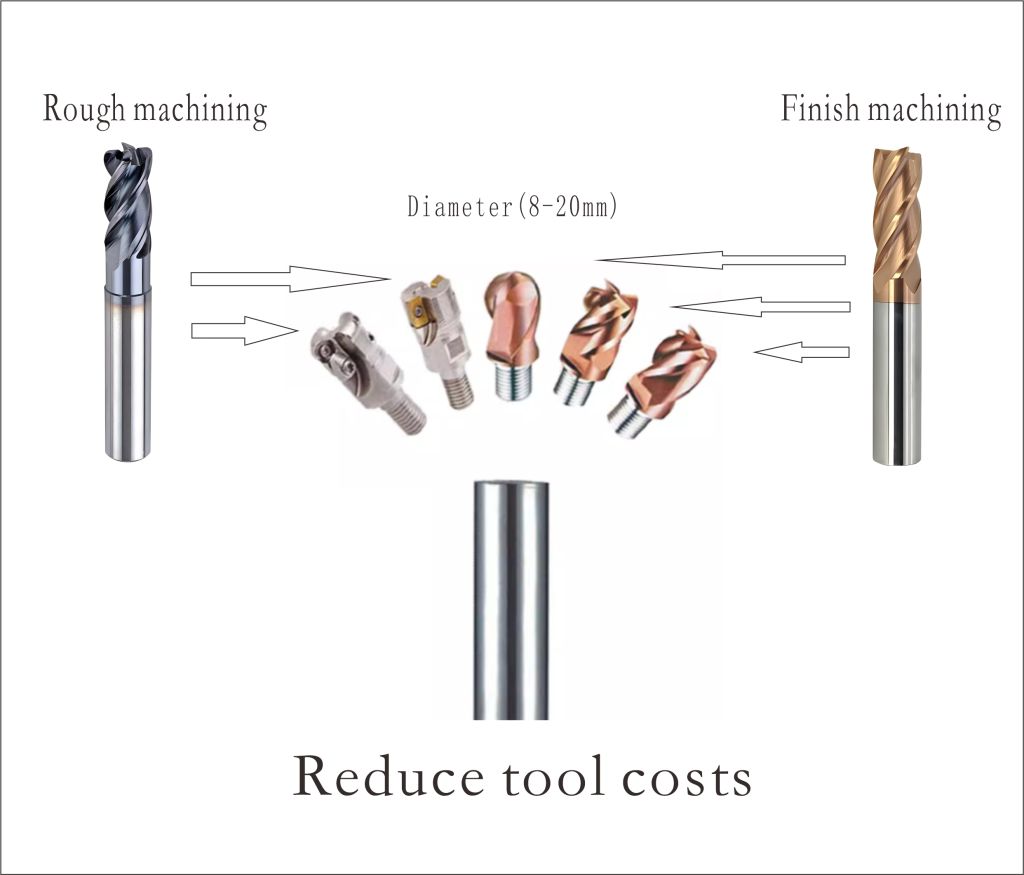
To reduce tooling costs, consider replacing solid carbide tools with interchangeable-head alternatives for rough milling, finish milling, and drilling. Optimize cutting parameters by increasing depth of cut and feed rate while lowering cutting speed to enhance tool life. Utilizing more cutting edge blades can further improve tool efficiency and reduce expenses.
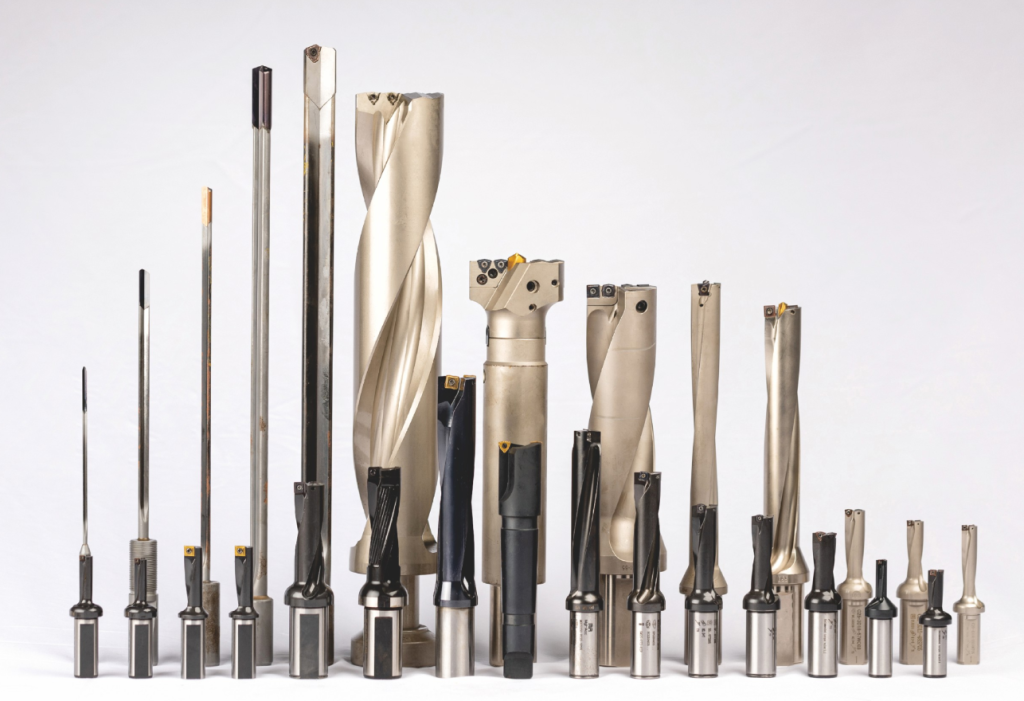
Recent increases in tungsten prices have raised costs for carbide cutting tools. Machining enterprises can mitigate these pressures by enhancing tool utilization through proper selection, standardized practices, process optimization, and recycling. Effective strategies include choosing appropriate tool grades, controlling cutting parameters, and implementing recycling systems to sustain competitiveness and reduce costs.
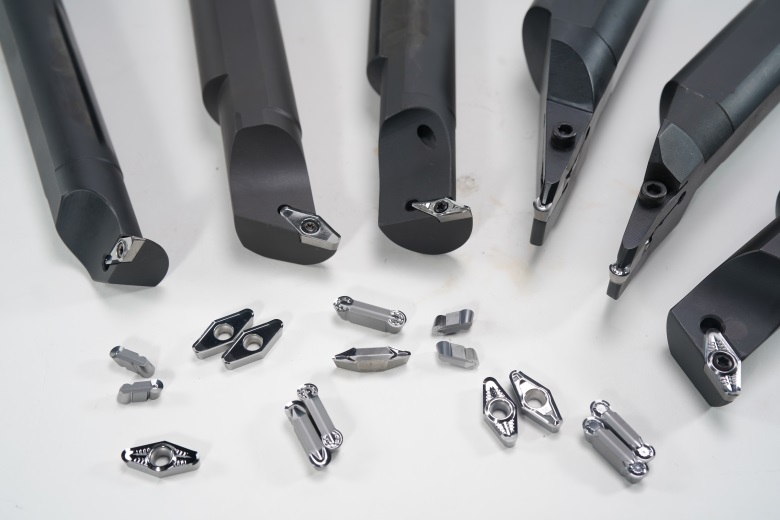
Cemented Carbide Inserts: Efficient CNC Machining
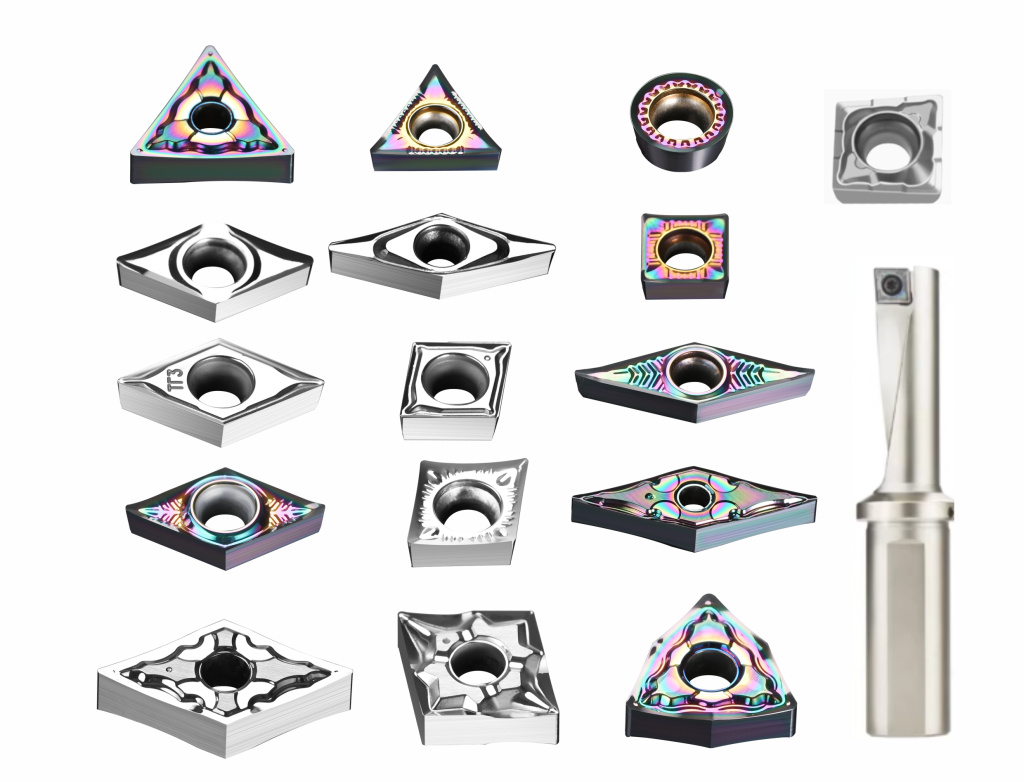
The article discusses various tool manufacturers and their products for aluminum alloy processing, including Korloy, Ceratizit, and Mitsubishi. It outlines specific inserts for turning, milling, and drilling. Additionally, it highlights the challenges of machining aluminum due to its softness and provides recommendations for tool design to minimize friction and enhance performance.
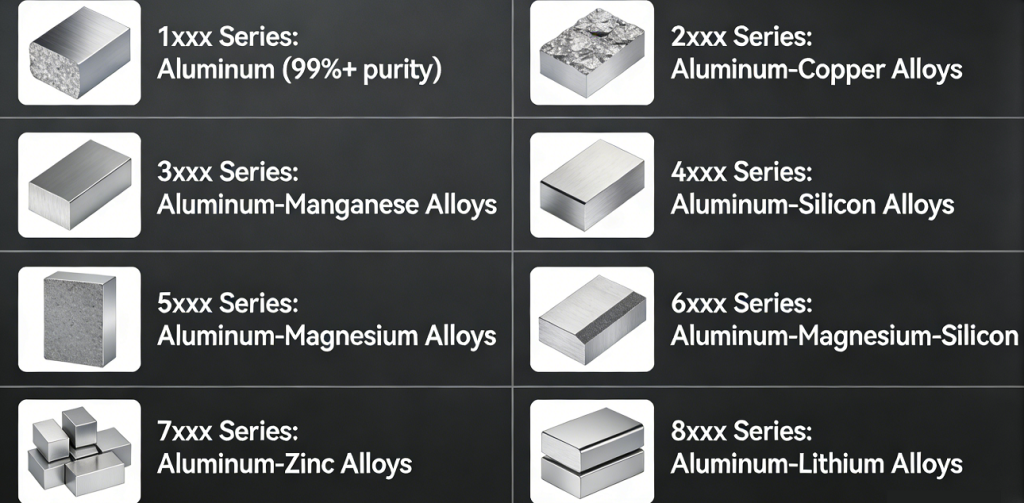
The content discusses various aluminum alloy series, highlighting their grades, characteristics, and applications. Series 1xxx features high purity and formability, while 2xxx has high strength for aerospace. Series 3xxx offers good rust resistance, 5xxx excels in corrosion resistance, 6xxx is versatile for structures, and 7xxx is strongest for high-performance uses.