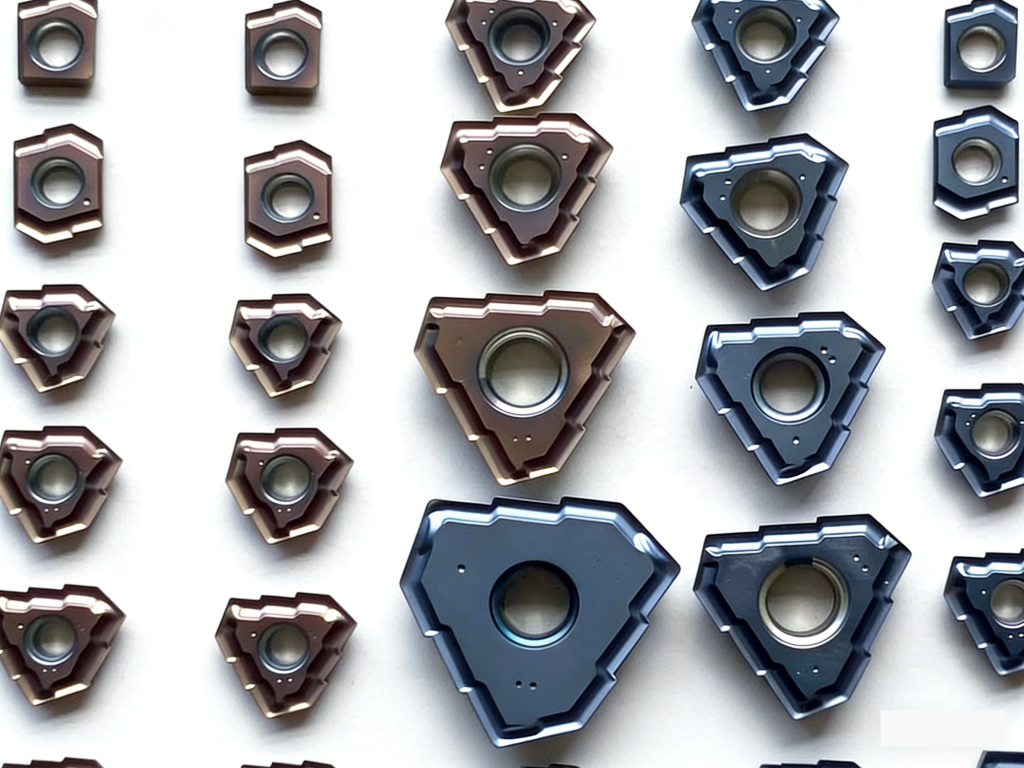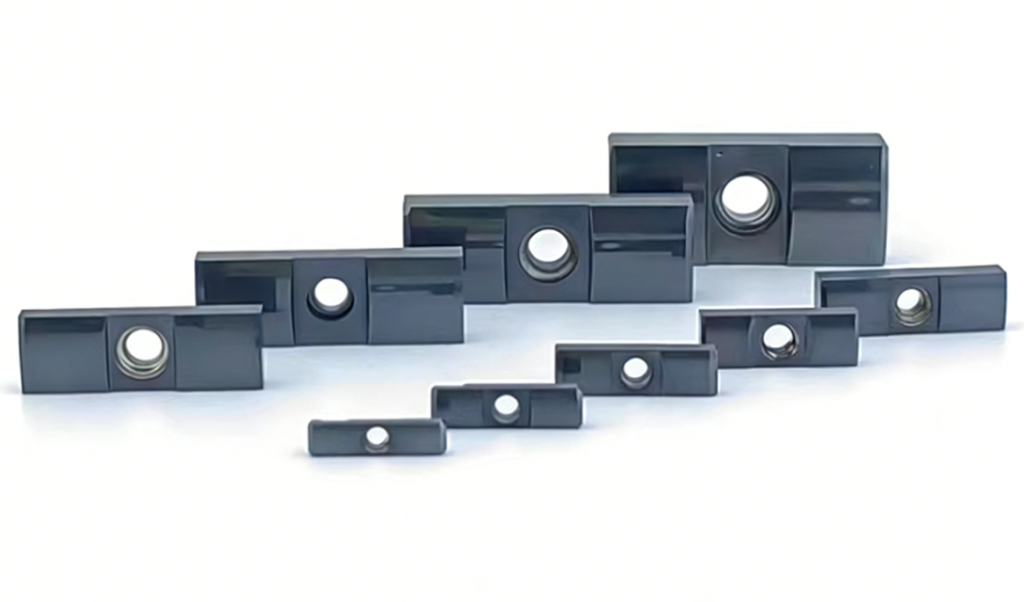
In the field of precision manufacturing, deep hole machining has long been an industry challenge restricting production capacity and precision. Gun drills, with their unique structural design, have become a sharp tool to break this dilemma. Adopting a single-edge external chip removal structure and equipped with a high-pressure cooling system, gun drills can complete deep hole machining with a diameter of 0.5mm to 50mm and a diameter-to-depth ratio of 1:100 in one go, improving machining efficiency by more than 500% compared with traditional twist drills.
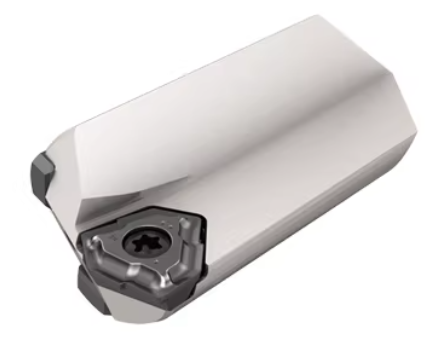
In the machining of aerospace parts, the machining accuracy of deep hole cooling channels in high-temperature alloy turbine blades directly affects the thrust output of the engine. By using cemented carbide gun drills with special guide sleeves, the hole wall roughness can be controlled within Ra0.4μm, and the coaxiality error is less than 0.02mm, perfectly meeting the stringent aerospace standards. In the machining of lubricating oil holes in automobile transmission crankshafts, gun drills realize multi-station machining with one clamping through a modular tool holder system, reducing the processing cycle of a single crankshaft from 12 minutes to 3 minutes.
During daily operation, it should be noted that corresponding cutting parameters should be matched according to the workpiece material before machining: when machining 45# steel, a cutting speed of 80m/min and a feed rate of 0.12mm per revolution are recommended; when machining titanium alloy, the cutting speed should be reduced to 15m/min, and an emulsion cooling system should be used to avoid overheating and chipping of the tool. Regularly checking the straightness of the drill rod and the wear of the guide block can extend the service life of the gun drill by 30%.