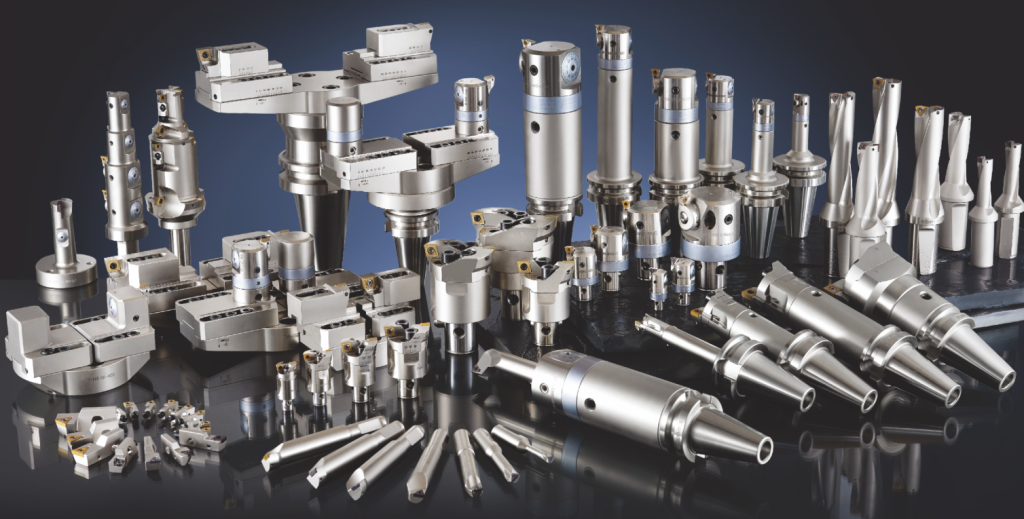
Against the backdrop of recent surges in tungsten prices, which have driven up the cost of carbide cutting tools, machining enterprises can effectively offset cost pressures by improving tool utilization, standardizing usage, optimizing selection, and recycling worn tools.
Proper selection of tool grade and geometry is the first step to cost reduction. For roughing, choose carbide grades with high toughness to withstand heavy cuts and impacts; for finishing, select wear-resistant coated grades with high hardness to ensure dimensional accuracy and surface quality. Match geometry to working conditions: wide flute and wide cutting edge for better chip evacuation and chipping resistance in roughing; narrow flute and large rake angle for sharp cutting edges and better finish in semi-finishing and finishing. Mismatched grades and geometries drastically shorten tool life and increase waste.
Standardized operation and process optimization significantly extend tool life. Strictly control cutting parameters to avoid abnormal wear caused by over-speed or over-load. Optimize cooling and lubrication with flood or high-pressure coolant to reduce cutting temperature and built-up edge. Implement tool life management by setting life targets per material and process, replacing tools at scheduled intervals to avoid catastrophic failure.
Recycling worn tools is also critical. Slightly worn solid tools can be reground and recoated for 2–3 reuse cycles. Collect used inserts and holders for professional recycling, which generates revenue and reduces demand for new raw materials. Enterprises should establish tool tracking and recycling systems to maximize utilization and value.
As high tungsten prices become the norm, extensive tool replacement is unsustainable. By accurate selection, standardized usage, process optimization, and circular recycling, manufacturers can improve tool utilization, lower unit consumption, and maintain competitiveness in a high-cost environment.